
Wrong-spec rejection on the shelf
Cool-storage warehouses and Q1 winter conditions can take a perfectly good lot off-listing for cosmetic cloudiness.
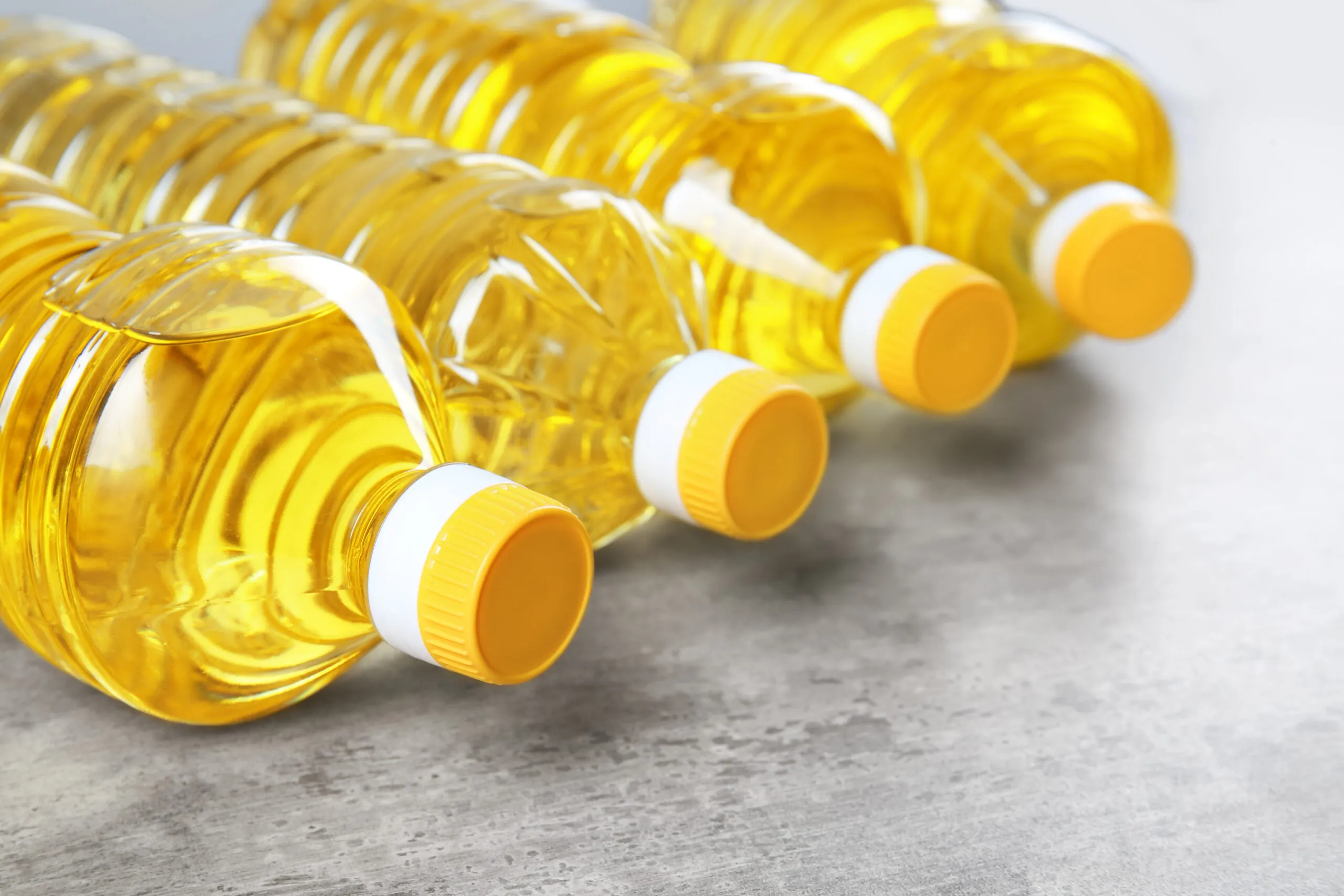
Super Olein — cool-climate frying. Highest fractionation — stays clear in cooler markets like Ethiopia, South Africa winter, North Africa Q1.
Indicative CFR price in 5 seconds. Origin: Malaysia / Indonesia (seller's choice). Confirmed PI within 4 business hours.
Indicative CFR is calculated above. For a 48h-valid PI signed by our export desk, share your contact:
All prices in USD CFR. Origin Malaysia / Indonesia (seller's choice). Standard payment 30% TT advance + 70% against shipping documents.
Most palm olein sold into Africa is CP8 — the volume default. CP8 cloud-points around 8°C, which is fine in tropical Lagos year-round but becomes a problem the moment temperature dips. Buyers in Ethiopia, the Maghreb, South Africa winter, or any cool-storage warehouse start seeing stearin crystallisation in jars on the shelf. Consumers reject 'cloudy oil' even when it's harmless, the distributor takes returns, and the SKU loses listing space. The fix isn't a refining miracle — it's a tighter fractionation cut. CP6 (Super Olein) clears the cloud-point bar at 10°C with iodine value at or above 56, giving you the safety margin that CP8 doesn't. The cost premium over CP8 is small; the protection against cloud-point rejection is the entire reason CP6 exists as a grade.
Cool-storage warehouses and Q1 winter conditions can take a perfectly good lot off-listing for cosmetic cloudiness.
A locked Malaysia or Indonesia contract leaves you carrying the full export-tax and currency-cycle risk of one country.
Brokers and re-packers consolidate lots — every container can have a different refiner CoA, even when the pack looks identical.
Halal (JAKIM) · ISO 22000 · HACCP · RSPO · Kosher (request) · GMP
SGS · Bureau Veritas · Intertek · CIQ
Malaysia / Indonesia (seller's choice)
CP6 is RBD palm olein with the cloud point lowered by an additional fractionation pass that removes higher-melting triglycerides. Iodine value sits at or above 56, FFA stays below 0.10 percent, moisture and impurities below 0.10 percent, color 3R Lovibond max, peroxide value below 2.0 meq O2/kg, anisidine value below 5.0, smoke point at least 210°C, and shelf life is 12 months sealed. The visual difference at point of sale is dramatic: a CP6 jerry can stays bright and translucent down to single-digit Celsius while a CP8 next to it on the same shelf goes hazy and forms wax pillars. For confectionery and bakery customers, CP6 also reduces the risk of post-baking bloom on chocolate-coated products. Halal (JAKIM), ISO 22000, HACCP, RSPO, and Kosher (on request) certifications cover the full export envelope. Third-party inspection — SGS, Bureau Veritas, Intertek, or CIQ — is your choice and we co-ordinate at origin.
| CP6 (Super Olein) | CP8 (standard) | CP10 (tropical) | |
|---|---|---|---|
| Cloud point | <=10°C (clear in cool storage) | <=8°C (clear in tropical only) | <=10°C (broader tropical band) |
| Iodine value | >=56 | >=56 | >=58 |
| Best-fit market | Ethiopia, Maghreb, RSA winter | Bulk African retail (cooler-tolerant) | Lagos, Mombasa, Tema, Abidjan |
| FOB premium | +USD 5–10/MT vs CP8 | Baseline | +USD 5–15/MT vs CP8 |
| Shelf risk | Lowest cloud-point rejection risk | Hazes below 8°C | Hazes below 10°C in cool storage |
No black-box markup. The PI we issue carries the same four lines you see here, locked for the shipment week.
Quoted on the lower of the two origins for the shipment week — currently sits about USD 5–10 above CP8.
20′ FCL × 25.4 MT load (5L jerry cans). Applies to Maersk / MSC / CMA CGM / Hapag-Lloyd lines.
Shorter route — Indian Ocean rotation, ~21–23 days transit.
Origin spread + currency hedge + line schedule risk. Locked in the PI.
Confirmed PI within 4 business hours after we lock vessel and origin.
Quoted weekly. Origin spread between Malaysia and Indonesia can flip the cheaper origin from one week to the next — we always quote the lower.
These are the four highest-volume markets where CP6 dominates. CFR ranges are indicative for current shipment week.
Highland transit means cool storage in trucks and warehouses — CP6 is the only safe pick.
Open guide →Maghreb winter — CP8 hazes in port-side warehouses; CP6 protects the SKU.
Open guide →Cape Town July–September can drop to 5°C overnight in distributor warehouses.
Open guide →Premium hotel and restaurant chains specify clear-only oil. CP6 is the safe ladder up.
Open guide →From 5L retail jerry can up to 22 MT flexi tank. CFR pricing per port and pack in the calculator above.
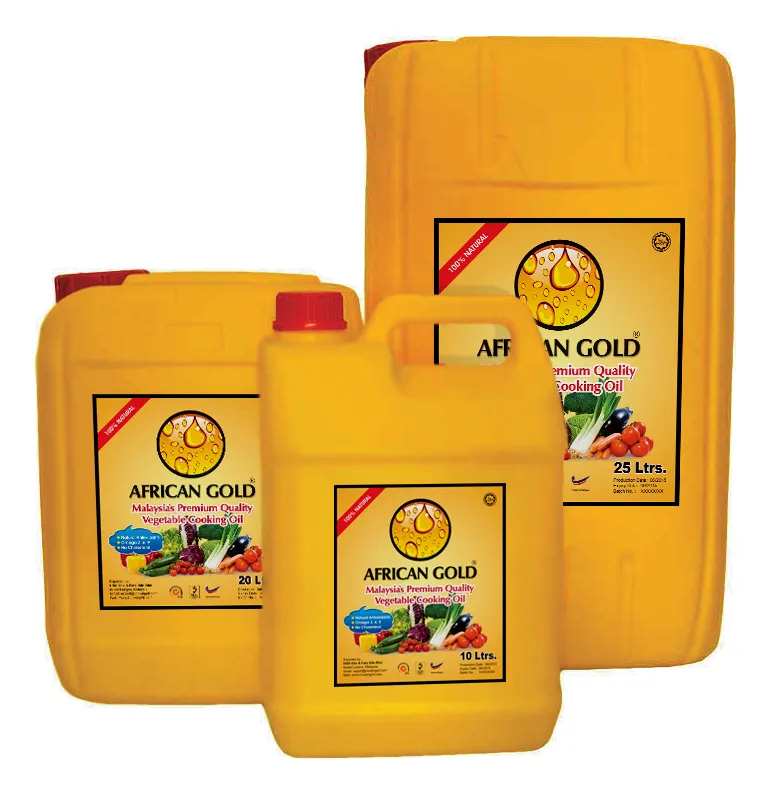
Top-selling African retail format — family-pack price point in Lagos, Nairobi, Accra grocery shelves.
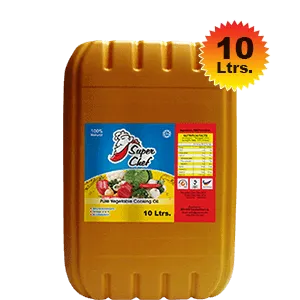
Sweet-spot pack for African catering, restaurants, and small QSR chains.
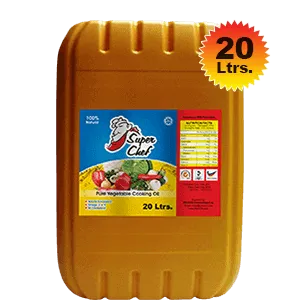
HoReCa standard — hotels, hospitals, school canteens, large bakeries.
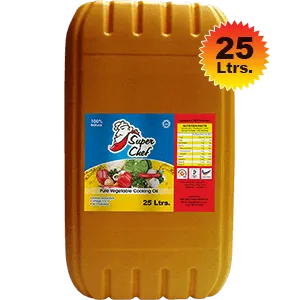
Best $/MT in packaged formats — maximum oil mass per FCL.
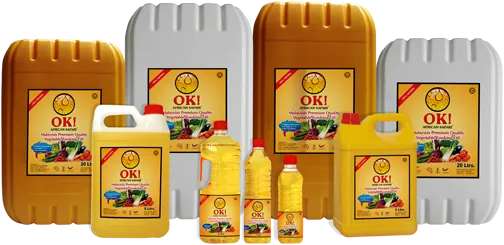
Premium HoReCa pack — spill-free, lighter shelf weight, cleaner brand impression.
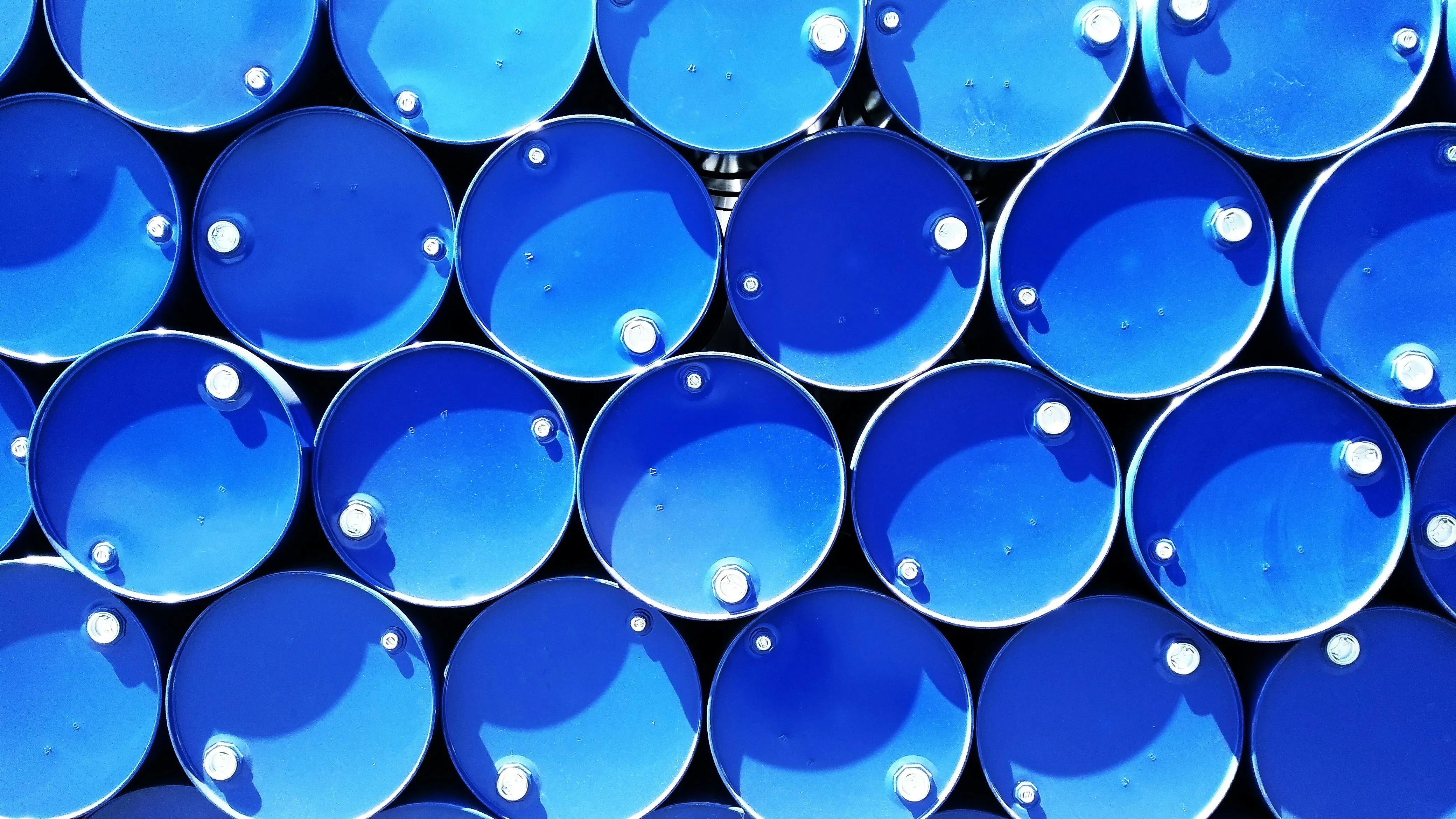
Bulk packaged — industrial frying lines, soap and oleochemical buyers.
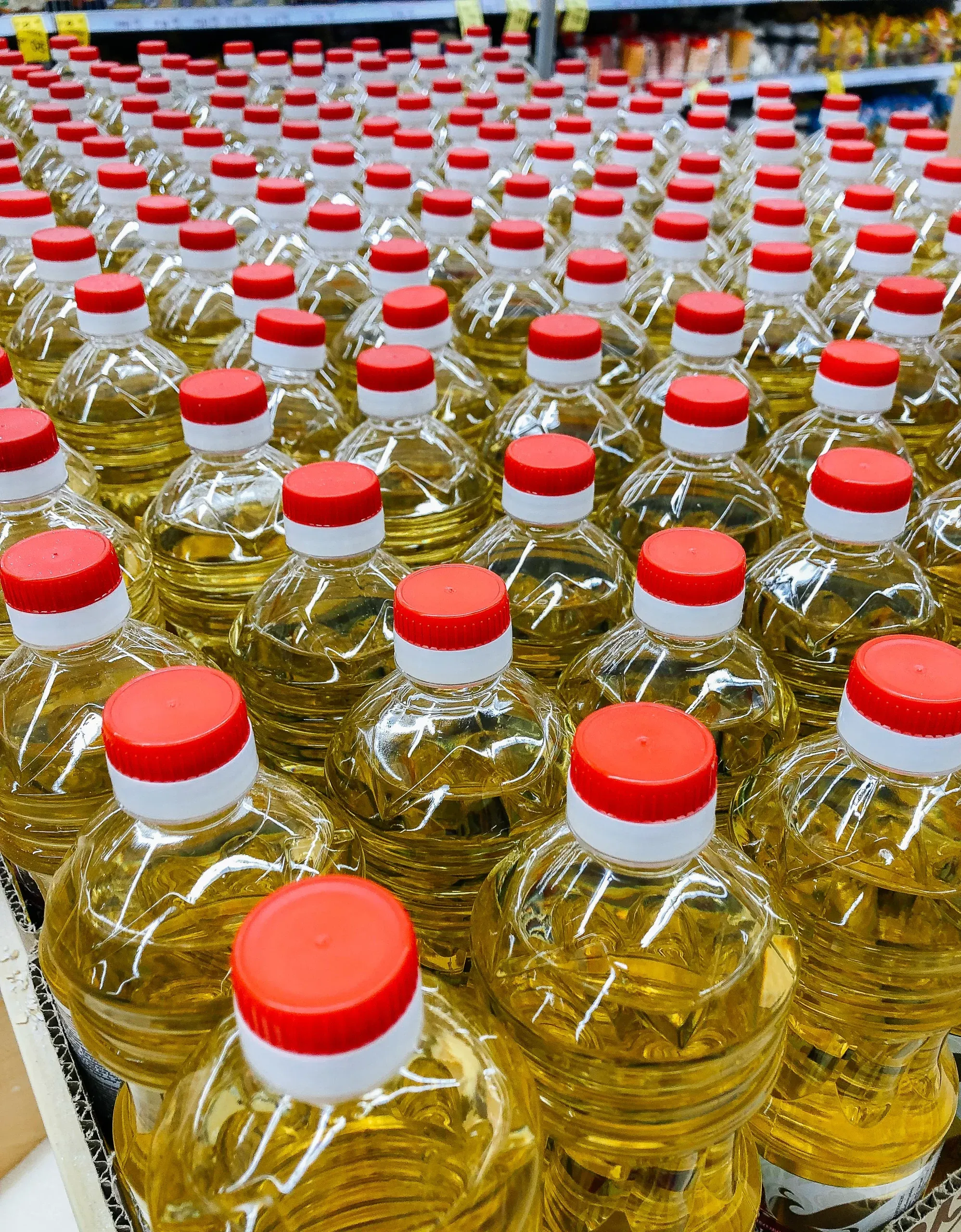
IBC totes for re-packers and refiners. Returnable on contract.

Bulk liquid in food-grade flexi-bag inside a 20’ container. Lowest $/MT.
CP6 is a positioning bet — buyers come to it after one bad return-cycle. We quote it daily because the conversation is always the same: they got burned by CP8 in cool storage and they need the safer cut without paying private-label re-blender margins. Single brand, Malaysia or Indonesia origin (whichever quotes better that week), 30/70 standard payment. Third-party inspection at origin is your call — we coordinate.
Two degrees lower than CP8 — the cushion that keeps SKUs off the return-to-supplier shelf.
Same frying performance as CP8 / CP10 — you trade nothing on the kitchen side to get cool-climate clarity.
Standard palm-olein shelf life — moves through a 6–8 week distribution cycle with margin to spare.
Today the FOB premium is USD 5–10/MT — about USD 25–50 on a single FCL. The cost of one rejected pallet on the shelf is several times that.
Below about 10°C it begins to show micro-haze; below 6°C it forms visible crystals. For warehouses in Lagos, Mombasa, Accra year-round, that ceiling is never crossed. For Ethiopian highlands, Maghreb winter, or any cold-store storage, CP6 is the recommended floor.
Re-packers do this often. A 50/50 blend behaves close to a CP7 — clearer than CP8 but cheaper than pure CP6. We can ship pre-blended on contract.
Smoke point and frying life are functionally identical to CP8. The fractionation difference is in the higher-melting fraction, not the frying-relevant unsaturation profile.
Yes — 'super olein' is the legacy industry term. We use CP6 because it's the technical spec name your QC team will recognise on the COA.
Send your volume, packaging and discharge port. We issue CP6 PIs daily — origin Malaysia / Indonesia (seller's choice), 30/70 standard, SGS / Bureau Veritas inspection.